
Search
What is FPC & How Does Flexible PCB Work? | Expert Insights from Huaruixin Electronics
- Feb 26,2026
-
Share
In the era of miniaturization, portability, and smart manufacturing, Flexible Printed Circuits (FPC) have become the unsung heroes powering modern electronic devices—from foldable smartphones and wearable tech to automotive ADAS systems and medical endoscopes. As a global ODM/OEM manufacturer specializing in FPC, PCB, and Rigid-Flex PCB production, Shenzhen Huaruixin Electronics Co., Ltd. brings over years of industry experience to decode: What is FPC, how does it work, and what core principles drive its reliability in high-demand applications?
What is FPC? Definition & Core Value
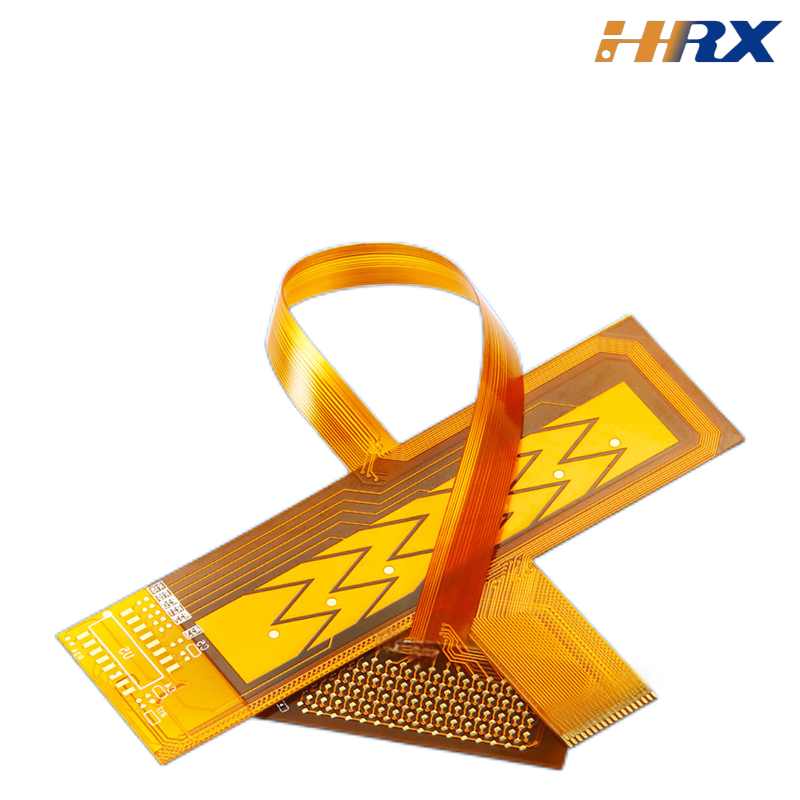
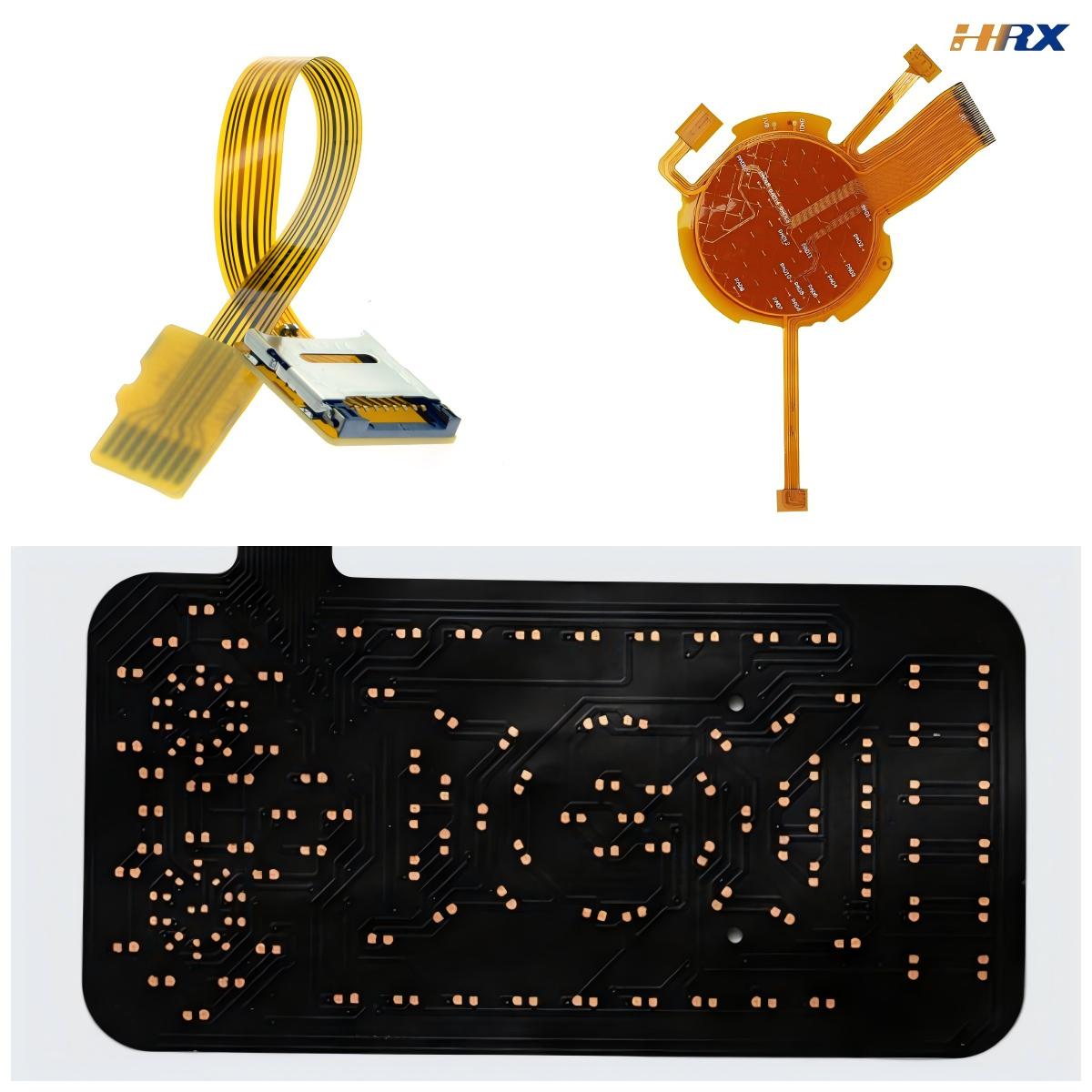
FPC, short for Flexible Printed Circuit (also known as Flexible PCB), is a thin, lightweight, and bendable circuit board made of flexible insulating substrates (primarily Polyimide/PI or Polyester/PET) and etched copper foils, designed to transmit electrical signals reliably in complex, space-constrained environments. Unlike rigid PCBs (FR-4 boards) that have fixed shapes, FPCs leverage their flexibility to adapt to 3D layouts, reduce device size, and replace bulky wire harnesses—solving key pain points in electronic product design today. As a professional FPC manufacturer, we emphasize that FPCs are not just flexible alternatives to rigid PCBs but essential components for compact, high-performance electronic devices.
At Huaruixin Electronics, we define FPC not just as a "flexible circuit" but as acustomizable connectivity solution that bridges the gap between design innovation and manufacturing feasibility. As a leading ODM/OEM provider, we’ve observed that the true value of FPC lies in its ability to integrate with diverse industries—consumer electronics, automotive, medical, industrial automation—by balancing three core attributes: flexibility, reliability, and density. This is why we prioritize material selection and process precision in every FPC we produce, ensuring our products meet the unique demands of each client’s project.
Key Components of FPC: The Building Blocks of Flexibility
To understand how FPC works, it’s critical to first break down its core components—each playing a vital role in its performance. Drawing on our ODM/OEM expertise, Huaruixin has refined material selection to optimize FPC durability and functionality, focusing on these key elements that define high-quality Flexible PCB products:
- Flexible Substrate: The foundation of FPC, typically made of Polyimide (PI) film (thickness 12-50μm) for high-temperature resistance (-200℃~260℃), excellent insulation (dielectric constant 3.0-3.5), and high mechanical strength (elongation at break ≥50%). For cost-sensitive, low-temperature applications, we also use PET film, though PI remains the industry standard for high-reliability FPC projects. At Huaruixin, we source high-purity PI substrates to ensure consistent flexibility and resistance to chemical corrosion—critical for automotive and medical environments where FPC performance directly impacts product safety.
- Copper Foil: The conductive layer that transmits electrical signals, available in two types: electrolytic copper (used for 95% of standard FPC applications) and rolled copper (for high-flexibility needs, such as foldable device hinges that require ≥100,000 bending cycles). We offer copper foil thicknesses from 9μm to 70μm, tailored to the current-carrying capacity and flexibility requirements of each custom FPC project, ensuring optimal signal transmission without compromising durability.
- Coverlay (Protective Layer): A composite of PI film and acrylic/epoxy adhesive (total thickness 25-75μm) that covers the copper traces to prevent oxidation, wear, and short circuits. Our coverlay bonding process uses vacuum hot pressing (160-180℃, 0.8-1.2MPa) to eliminate bubbles, ensuring peel strength ≥1.0N/mm and long-term reliability.
- Stiffener: A rigid material (FR-4, steel sheet, or aluminum sheet, thickness 0.1-1.0mm) attached to FPC soldering areas or connector zones to provide support during assembly and prevent solder joint cracking. We customize stiffener placement based on client assembly requirements—avoiding over-engineering while ensuring structural stability.
- Adhesive (AD Glue): Used to bond copper foil to substrates, stiffeners to FPC, and coverlay to traces. We use high-quality acrylic or epoxy adhesives with low shrinkage (≤0.3%) to avoid warping during manufacturing and use.
How Does Flexible PCB (FPC) Work? The Core Mechanism
At its core, FPC works the same way as rigid PCB—transmitting electrical signals through conductive copper traces—but its flexibility enables it to adapt to dynamic or confined spaces where rigid boards fail. The FPC working mechanism can be broken down into three key stages, informed by Huaruixin’s ODM/OEM production experience in manufacturing high-quality Flexible PCB products:
1. Signal Transmission: The Foundation of FPC Function
Etched copper traces on the flexible substrate act as "electrical pathways" for signals, similar to rigid PCBs. However, FPC’s thin, flexible design allows these traces to be arranged in dense, complex patterns (line width/spacing down to 50μm or less) without sacrificing flexibility. For high-frequency applications (e.g., 5G devices, automotive radar), we optimize trace impedance (controlled impedance FPC) to minimize signal loss and interference— a critical detail often overlooked by low-quality FPC manufacturers. Our precision etching process ensures consistent trace width and spacing, guaranteeing reliable signal transmission for custom FPC solutions.
2. Flexibility & Durability: Engineered for Long-Term Use
The flexibility of FPC comes from its substrate (PI/PET) and thin copper layers, which allow repeated bending (up to 100,000+ cycles) without breaking— a key advantage of Flexible PCB over rigid alternatives. At Huaruixin, we use rolled copper for applications requiring extreme flexibility (e.g., foldable screens) and optimize trace routing (snake-like patterns) to distribute stress evenly during bending—preventing copper trace fatigue and failure. Our production process also includes pre-baking PI substrates at 120℃ for 2-4h to remove moisture, reducing the risk of delamination or bubbling during use and extending the lifespan of our FPC products.
3. Integration with Components: From Design to Assembly
FPCs are designed to integrate seamlessly with electronic components (ICs, connectors, sensors) via surface mount technology (SMT) or through-hole mounting (DIP). We use ENIG (Electroless Nickel Immersion Gold) or OSP (Organic Solderability Preservative) surface treatments to enhance solderability and corrosion resistance—avoiding HASL (Hot Air Solder Leveling) which can cause FPC warping. Our ODM team works closely with clients to design FPCs that fit their component layout, reducing assembly time and improving production efficiency.
Huaruixin’s Unique Insights: ODM/OEM Expertise for Better FPC Solutions
As a global FPC, PCB, and Rigid-Flex PCB ODM/OEM manufacturer, Shenzhen Huaruixin Electronics has gained unique insights into the FPC industry through years of serving clients worldwide. Here are our key recommendations and perspectives to help you choose and optimize FPC for your projects, leveraging our expertise as a professional Flexible PCB manufacturer:
1. Prioritize Material Compatibility Over Cost
Many manufacturers cut costs by using low-quality PI film or copper foil, leading to FPC failure (delamination, trace cracking) in harsh environments. Our advice: Choose FPC materials based on your application’s operating conditions (temperature, humidity, bending frequency). For automotive or medical applications, invest in high-temperature PI substrates and rolled copper; for consumer electronics, balance cost and performance with electrolytic copper and standard PI. At Huaruixin, we offer material consulting as part of our ODM service, ensuring you get the right components for your custom FPC project and avoiding costly rework.
2. Design for Manufacturability (DFM) to Reduce Costs
Poor FPC design often leads to high production costs, delays, and quality issues. As ODM experts, we recommend integrating DFM principles early in the design phase: avoid sharp corners (use rounded edges to reduce stress), optimize trace width/spacing for manufacturability, and minimize unnecessary stiffeners. Our engineering team works with clients to review Gerber files and DRC (Design Rule Check) reports, identifying potential issues before production—saving time and reducing waste.
3. Rigid-Flex PCB: The Future of Hybrid Connectivity
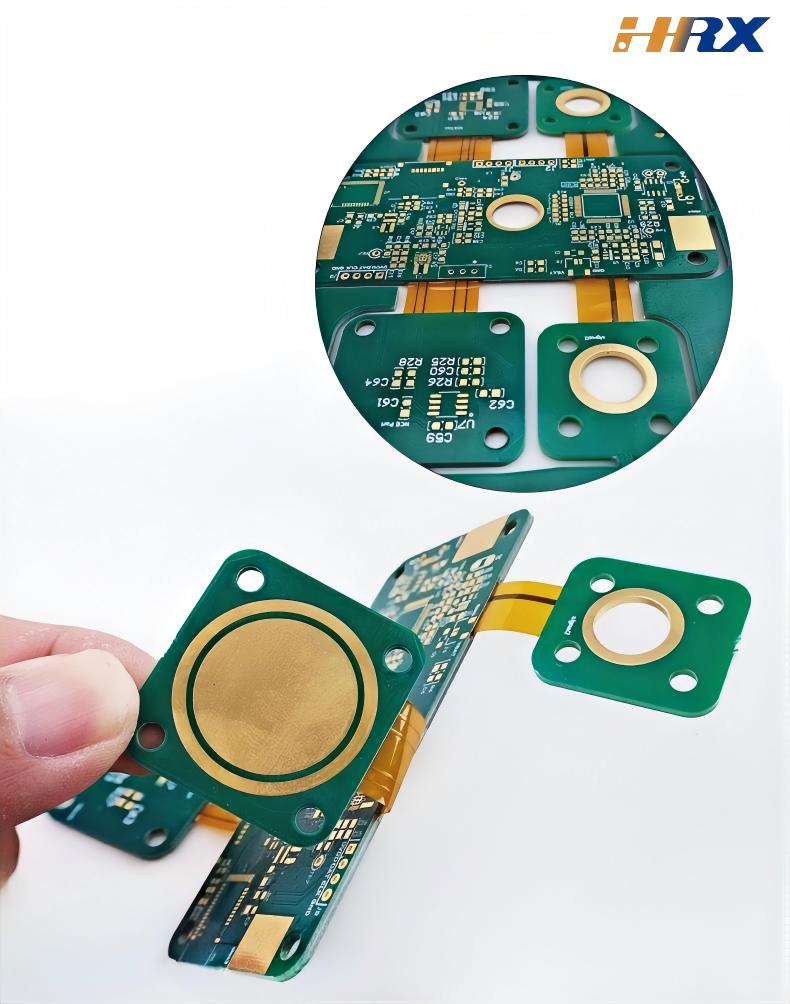
Rigid-Flex PCBs (combining rigid and flexible sections) are becoming increasingly popular for complex devices (e.g., drones, medical devices) as they eliminate connectors, reduce size, and improve reliability— a growing segment in the FPC industry. Our insight: Rigid-Flex PCBs are not just "rigid + flexible"—they require precise layer alignment (±15μm tolerance) and stress management at the rigid-flex interface. We use selective lamination technology (partitioned temperature/pressure control) to ensure the rigid and flexible sections bond seamlessly, with gradual coverlay window opening (5-8mm length) to reduce stress concentration, a process refined through our years as a leading FPC ODM/OEM manufacturer.
4. Quality Control is Non-Negotiable
FPCs are often used in critical applications (e.g., medical devices, automotive safety systems), so quality cannot be compromised— a principle we uphold as a professional FPC manufacturer. At Huaruixin, we implement AOI (Automatic Optical Inspection) for all FPCs, checking for trace defects, bubbles, and delamination. We also conduct salt spray tests (5% NaCl, 48h), high and low temperature cycle tests (-40℃~125℃), and bending tests to ensure our Flexible PCB products meet IATF16949 (automotive) and ISO 13485 (medical) standards. Our OEM service includes full quality documentation, giving clients peace of mind and ensuring compliance with industry regulations.
Partner with Huaruixin for Your FPC Needs
If you have a project requirement for FPC, PCB, or Rigid-Flex PCB, Shenzhen Huaruixin Electronics is your professional FPC ODM/OEM manufacturing partner. With our comprehensive capabilities, we can customize Flexible PCB solutions tailored to your industry (consumer electronics, automotive, medical, industrial), from prototype development to mass production. Our team of engineers provides end-to-end support, from material selection and design optimization to quality control and on-time delivery, ensuring your custom FPC project meets all performance and budget requirements.
For more industry knowledge and technical insights about FPC, Flexible PCB, and Rigid-Flex PCB, visit our official website: www.hrxfpc.com. If you have any questions or need professional consulting for your custom FPC project, feel free to contact us via email: sales@hrxfpc.com. We look forward to exchanging ideas, learning together, and providing you with professional guidance to make your FPC project a success.

Let’s talk! We’ll provide the perfect solution for you!
-
 Huaruixin Electronics mainly produces printed circuit boards as the core business, to provide customers with one-stop solutions for FPC/PCB production, components sourcing and Assembly.
 - WHAT WE DO — PCB Design Solutions — Flex PCB Production — Components Sourcing — FPC&PCB Assembly
- PRODUCTS — Single Sided Flexible Circuits — Double Sided Flexible Circuits — Multilayer Flexible Cirucits — Rigid-Flex Circuits — FPC Assembly — PCB Assembly
- CAPABILITY — FPC Capability — Rigid-Flex Capability — PCB Capability — Assembly Capability
- Copyright © 2024 Shenzhen Huaruixin Electronics Co., Ltd. All Rights Reserved.
- Design By BONTOP