
Search
Key Considerations in Stretchable FPC Design, Production & Quality Control: Applications & Solutions
- Dec 24,2025
-
Share
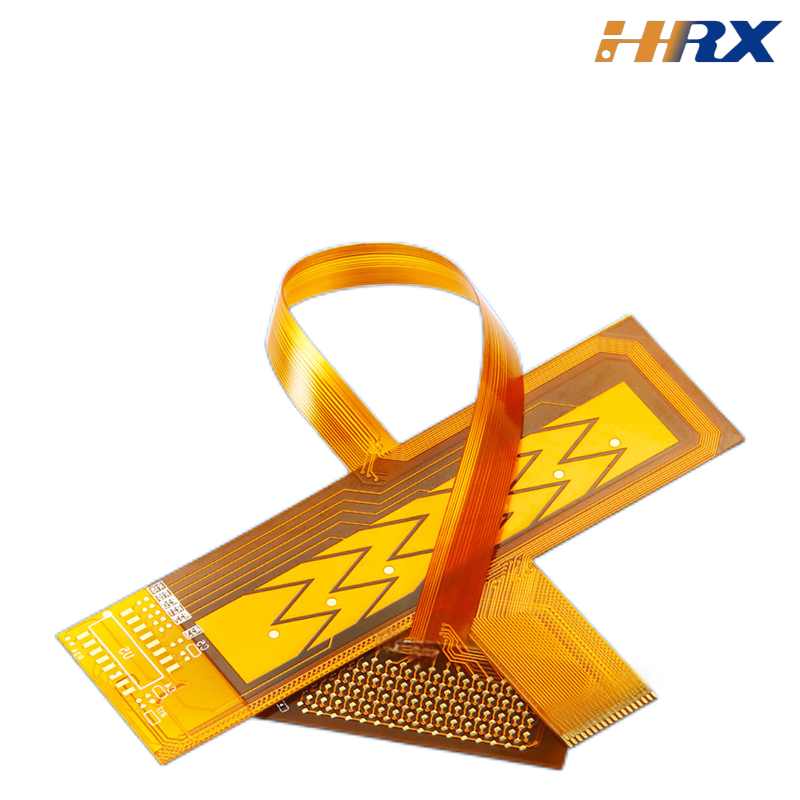
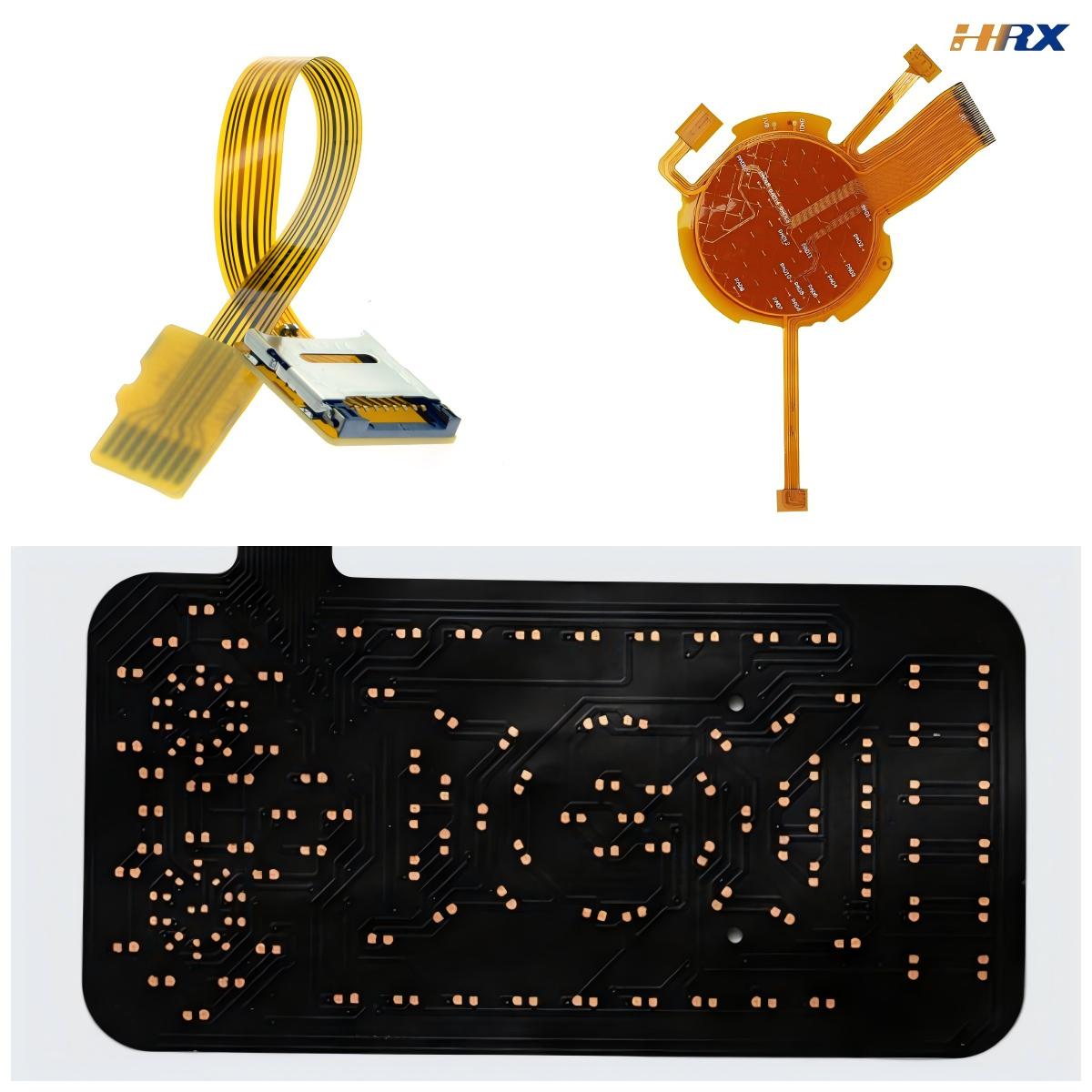
Stretchable FPC (Flexible Printed Circuit) has emerged as a core component driving innovation in electronic devices that demand flexibility, conformability, and dynamic stretchability. Unlike traditional rigid PCBs or standard FPCs, stretchable FPCs are engineered to withstand repeated mechanical stretching, bending, and twisting while maintaining reliable electrical performance. As a global ODM/OEM manufacturer specializing in FPC, PCB, and rigid-flex boards, Shenzhen Huaruixin Electronics Co., Ltd. leverages years of hands-on experience to share critical insights into stretchable FPC design, production, quality control, and its wide-ranging applications. This guide is tailored to help engineers, procurement professionals, and industry enthusiasts navigate the complexities of stretchable FPC manufacturing and optimize product performance.
Critical Details in Stretchable FPC Design & How to Mitigate Risks
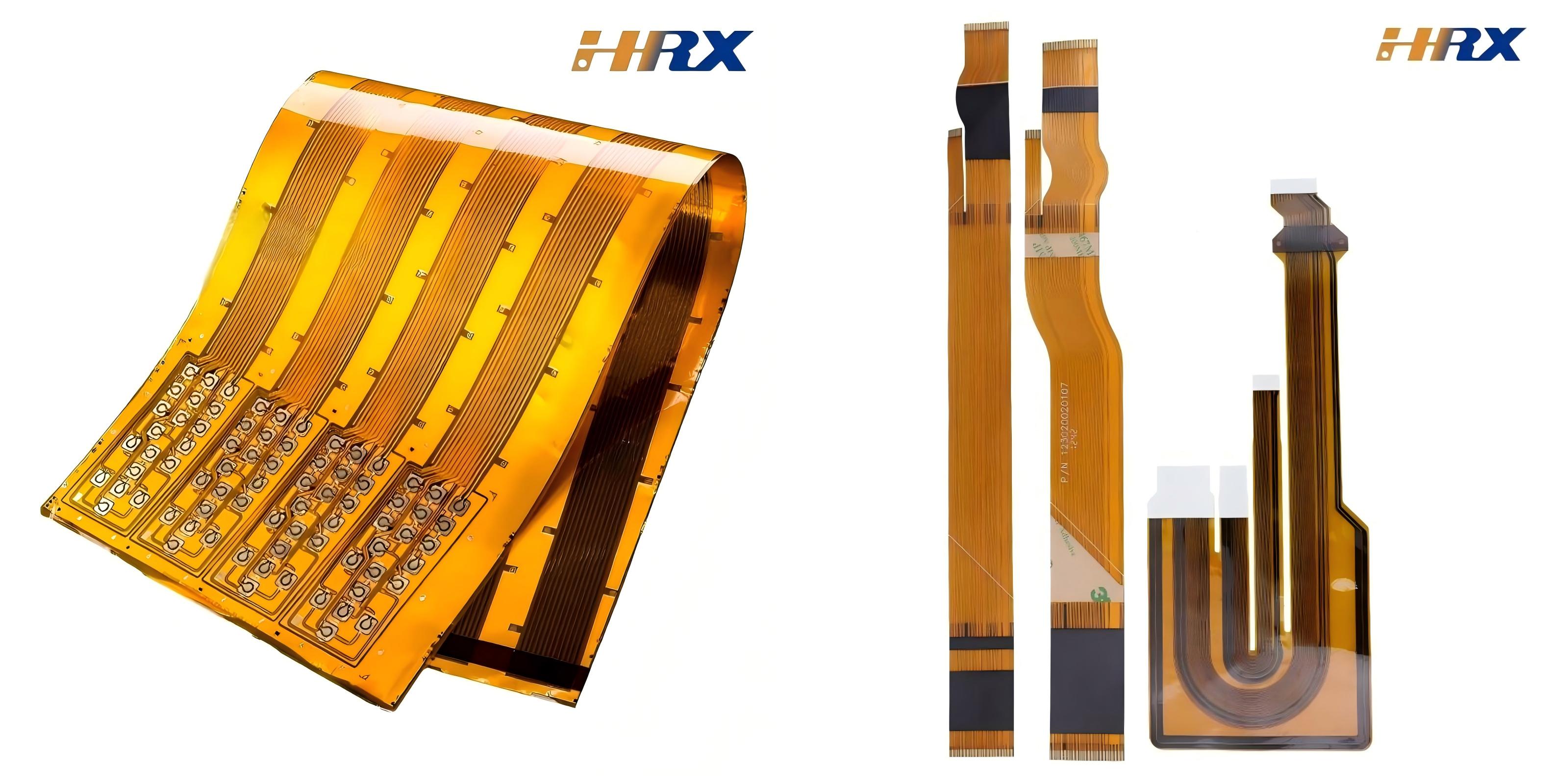
The design phase lays the foundation for a high-performance stretchable FPC. Neglecting key details at this stage can lead to poor stretchability, electrical failure, or premature wear. Below are the most critical design considerations and corresponding risk mitigation strategies:
1. Material Selection: The Backbone of Stretchability
Stretchable FPC performance is heavily dependent on base material and conductor material choices. Traditional FPC materials like polyimide (PI) lack sufficient stretchability, so specialized materials are required:
- Base Film: Opt for elastic polymers such as thermoplastic polyurethane (TPU), silicone-based films, or stretchable polyimide composites. TPU is preferred for most applications due to its excellent stretch recovery (up to 300% elongation) and chemical resistance. Risk Mitigation: Avoid low-grade TPU with poor thermal stability; conduct material tests (e.g., tensile strength, elongation at break) to ensure compatibility with the application’s stretch requirements. For example, in wearable devices requiring 50-100% stretch, select TPU with a Shore hardness of 85A-95A.
- Conductor Material: Traditional copper foils are brittle and prone to cracking under stretching. Instead, use stretchable conductors such as:
- Copper nanowires (CuNWs) or silver nanowires (AgNWs) embedded in elastic substrates;
- Stretchable conductive inks (e.g., silver flake-based inks with elastic binders);
- Wavy or serpentine-patterned copper traces (enabling stretch through trace deformation without breaking).
Risk Mitigation: Conductcyclic stretch testing on conductor materials to ensure electrical conductivity remains stable after 10,000+ stretch-recovery cycles. For instance, Huaruixin’s team once resolved a client’s conductor cracking issue by switching from straight copper traces to a serpentine pattern with a 0.1mm trace width and 0.2mm pitch, which increased stretchability from 20% to 80%.
2. Trace Design: Balancing Stretchability and Electrical Performance
Trace geometry directly impacts stretchability and current-carrying capacity. Key design details include:
- Pattern Design: Serpentine (wavy), meander, or horseshoe-shaped traces are proven to enhance stretchability by distributing stress evenly. Avoid sharp corners or right angles, which act as stress concentrators. Risk Mitigation: Use FEA (Finite Element Analysis) simulation tools to predict stress distribution during stretching. For example, a serpentine trace with a radius of curvature ≥0.5mm reduces the risk of trace by 60% compared to a straight trace.
- Trace Width and Thickness: Thinner traces (0.05-0.1mm) are more flexible but may have higher resistance. Strike a balance based on the application’s current requirements. Risk Mitigation: Conduct resistance testing under maximum stretch conditions to ensure voltage drop stays within acceptable limits. For high-current applications (e.g., 1A+), use a combination of wider traces (0.2mm+) and low-resistance conductive materials.
3. Adhesive Selection: Ensuring Layer Bonding Under Stretch
Stretchable FPCs typically consist of multiple layers (base film, conductor, coverlay), and the adhesive must maintain strong bonding during stretching. Risk: Poor adhesive performance can lead to layer delamination. Risk Mitigation: Use stretchable adhesives (e.g., TPU-based adhesives) that match the base film’s elongation properties. Avoid rigid adhesives like epoxy, which are prone to cracking. Huaruixin recommends conducting peel strength tests (≥1.5 N/mm) after cyclic stretching to verify adhesive reliability.
Key Production Process Details & Defect Prevention
Stretchable FPC production requires precise process control to avoid defects such as delamination, conductor damage, or inconsistent stretchability. Below are critical production stages and quality assurance measures:
1. Printing/Depositing Stretchable Conductors
For conductive ink-based stretchable FPCs, the printing process (screen printing, inkjet printing) is critical. Key Details: Control ink viscosity (2000-5000 cP for screen printing), printing pressure (0.3-0.5 MPa), and drying temperature (80-120°C, avoiding overheating which can degrade elastic substrates). Defect Prevention: Use automated printing equipment with high precision (±0.01mm) to ensure trace uniformity. Conduct 100% visual inspection (AOI) to detect ink smudges, missing traces, or uneven thickness.
2. Lamination Process
Laminating base film, conductor, and coverlay requires precise control of temperature, pressure, and time. Key Details: For TPU-based stretchable FPCs, lamination parameters are typically 120-140°C, 0.8-1.2 MPa, and 30-60 seconds. Defect Prevention: Preheat the substrate to remove moisture (which can cause bubbles) and use vacuum lamination to eliminate air trapped between layers. Huaruixin uses vacuum lamination equipment with real-time pressure monitoring to reduce delamination defects by 90%.
3. Cutting and Molding
Stretchable FPCs often require custom shapes to fit curved or dynamic surfaces. Key Details: Use laser cutting (CO2 or UV laser) for precise, burr-free edges. Avoid mechanical cutting, which can cause edge fraying or stress damage. Defect Prevention: Calibrate laser parameters (power, speed) based on material thickness (e.g., 0.1mm TPU film: 10W power, 50mm/s speed) to prevent thermal damage to the substrate.
Quality Control (QC) Critical Points for Stretchable FPC
Stretchable FPC QC must go beyond traditional FPC testing to validate stretchability and long-term reliability. Key QC tests and standards include:
1. Cyclic Stretch Testing
Simulate real-world stretch conditions to test durability. Test Parameters: Stretch percentage (matching application requirements), number of cycles (10,000-100,000), and environmental conditions (temperature: -20°C to 60°C, humidity: 40-85%). Pass Criteria: No conductor cracking, delamination, or electrical resistance change ≥10%. Huaruixin uses automated cyclic stretch testers to ensure consistent results across batches.
2. Electrical Performance Testing Under Stretch
Measure resistance, capacitance, and signal integrity (for high-frequency applications) while the FPC is stretched to maximum elongation. Defect Prevention: Use a dynamic testing setup that synchronizes stretch action with electrical measurement. For example, in a stretchable FPC for a foldable smartphone, ensure signal loss ≤3dB at 10GHz under 50% stretch.
3. Environmental Testing
Stretchable FPCs are often used in harsh environments (e.g., wearable devices exposed to sweat, industrial sensors in high humidity). Conduct:
Sweat resistance testing (ISO 3160:2000);High-temperature/humidity aging (85°C/85% RH for 1000 hours);Chemical resistance testing (exposure to oils, solvents common in the application).
4. Dimensional Accuracy Inspection
Use 3D optical measurement tools to verify trace dimensions, layer alignment, and overall FPC shape. Pass Criteria: Dimensional tolerance ±0.02mm, layer alignment error ≤0.01mm. This prevents fitment issues during device assembly.
Widely Applied Fields of Stretchable FPC
The unique combination of stretchability, flexibility, and electrical performance makes stretchable FPCs indispensable in several high-growth industries. Below are the most prominent application areas, with real-world examples from Huaruixin’s project experience:
1. Wearable Electronics
Wearables (smartwatches, fitness bands, smart clothing) require components that conform to the human body’s curves and withstand movement. Applications: Stretchable FPCs for sensor connections (heart rate, temperature), battery connections, and display interfaces. Example: Huaruixin developed a stretchable FPC for a smart fitness sleeve that can withstand 80% elongation. The FPC uses TPU base film and silver nanowire conductors, ensuring stable electrical performance during intense workouts.
2. Medical Devices
Medical devices demand biocompatibility, sterility, and reliability in dynamic environments (e.g., inside the body, on skin). Applications: Stretchable FPCs for wearable medical patches (glucose monitoring, ECG), implantable devices (pacemaker lead extensions), and surgical instruments. Example: For a client’s skin-mounted ECG patch, Huaruixin designed a stretchable FPC using biocompatible TPU and conductive ink. The FPC passed ISO 10993 biocompatibility testing and can stretch up to 50% without compromising signal quality.
3. Foldable & Flexible Displays
Foldable smartphones, tablets, and rollable displays require FPCs that can withstand repeated folding and stretching. Applications: Stretchable FPCs for display driver connections, touch sensor layers, and hinge area wiring. Example: Huaruixin supplied stretchable FPCs for a foldable laptop’s touchpad, using serpentine copper traces with a 0.1mm pitch. The FPC passed 200,000 fold-stretch cycles (180° folding + 30% stretch) with no electrical failure.
4. Industrial Sensors & Robotics
Industrial sensors and robotic components often operate in harsh conditions and require flexibility to fit complex machinery. Applications: Stretchable FPCs for pressure sensors on robotic grippers, temperature sensors in curved pipes, and flexible wiring for autonomous robots.Example: For an industrial robot manufacturer, Huaruixin developed a stretchable FPC for a gripper pressure sensor. The FPC can stretch 100% and resist oil and grease, ensuring reliable operation in manufacturing environments.
5. Automotive Electronics
Modern vehicles incorporate more flexible and curved surfaces (e.g., dashboard displays, seat sensors). Applications: Stretchable FPCs for seat pressure sensors, curved infotainment displays, and battery management systems (BMS) in electric vehicles. Example: Huaruixin’s stretchable FPC for a car seat occupancy sensor uses TPU base film and conductive ink, withstanding 60% stretch and -40°C to 85°C temperature extremes.
Partner with Huaruixin for Your Stretchable FPC Needs
Stretchable FPC manufacturing requires a deep understanding of material science, precision engineering, and strict quality control. As a global ODM/OEM leader in FPC, PCB, and rigid-flex boards, Shenzhen Huaruixin Electronics Co., Ltd. brings decades of expertise to every stretchable FPC project—from design optimization to mass production.
If you have a stretchable FPC project requirement, we invite you to contact us anytime. For more industry insights and technical knowledge, visit our website: www.hrxfpc.com or email us at sales@hrxfpc.com. Let’s collaborate, learn, and innovate together.

Let’s talk! We’ll provide the perfect solution for you!
-
 Huaruixin Electronics mainly produces printed circuit boards as the core business, to provide customers with one-stop solutions for FPC/PCB production, components sourcing and Assembly.
 - WHAT WE DO — PCB Design Solutions — Flex PCB Production — Components Sourcing — FPC&PCB Assembly
- PRODUCTS — Single Sided Flexible Circuits — Double Sided Flexible Circuits — Multilayer Flexible Cirucits — Rigid-Flex Circuits — FPC Assembly — PCB Assembly
- CAPABILITY — FPC Capability — Rigid-Flex Capability — PCB Capability — Assembly Capability
- Copyright © 2024 Shenzhen Huaruixin Electronics Co., Ltd. All Rights Reserved.
- Design By BONTOP