
Search
FPC vs Rigid PCB: Key Differences, Pros & Cons, and How to Choose the Right PCB for Your Design
- Feb 27,2026
-
Share
Published by Shenzhen Huaruixin Electronics Co., Ltd – Professional FPC, Rigid PCB & Rigid-Flex PCB ODM/OEM Manufacturer
Meta Description
Learn the critical differences between FPC (Flexible Printed Circuit) and Rigid PCB. Compare materials, performance, cost, applications, and get expert selection tips from a top China FPC/PCB manufacturer.
Introduction
In modern electronics manufacturing, Flexible Printed Circuits (FPC) and Rigid Printed Circuit Boards (Rigid PCB) are two foundational interconnect solutions.
Choosing between FPC and rigid PCB directly impacts product size, weight, reliability, assembly cost, and overall performance.
As a leading global ODM/OEM manufacturer specializing in FPC, rigid PCB, and rigid-flex PCB based in Shenzhen, China, we use decades of production and engineering experience to explain the core differences, ideal use cases, and professional recommendations for your next project.
1. Core Definition & Basic Concepts
Rigid PCB
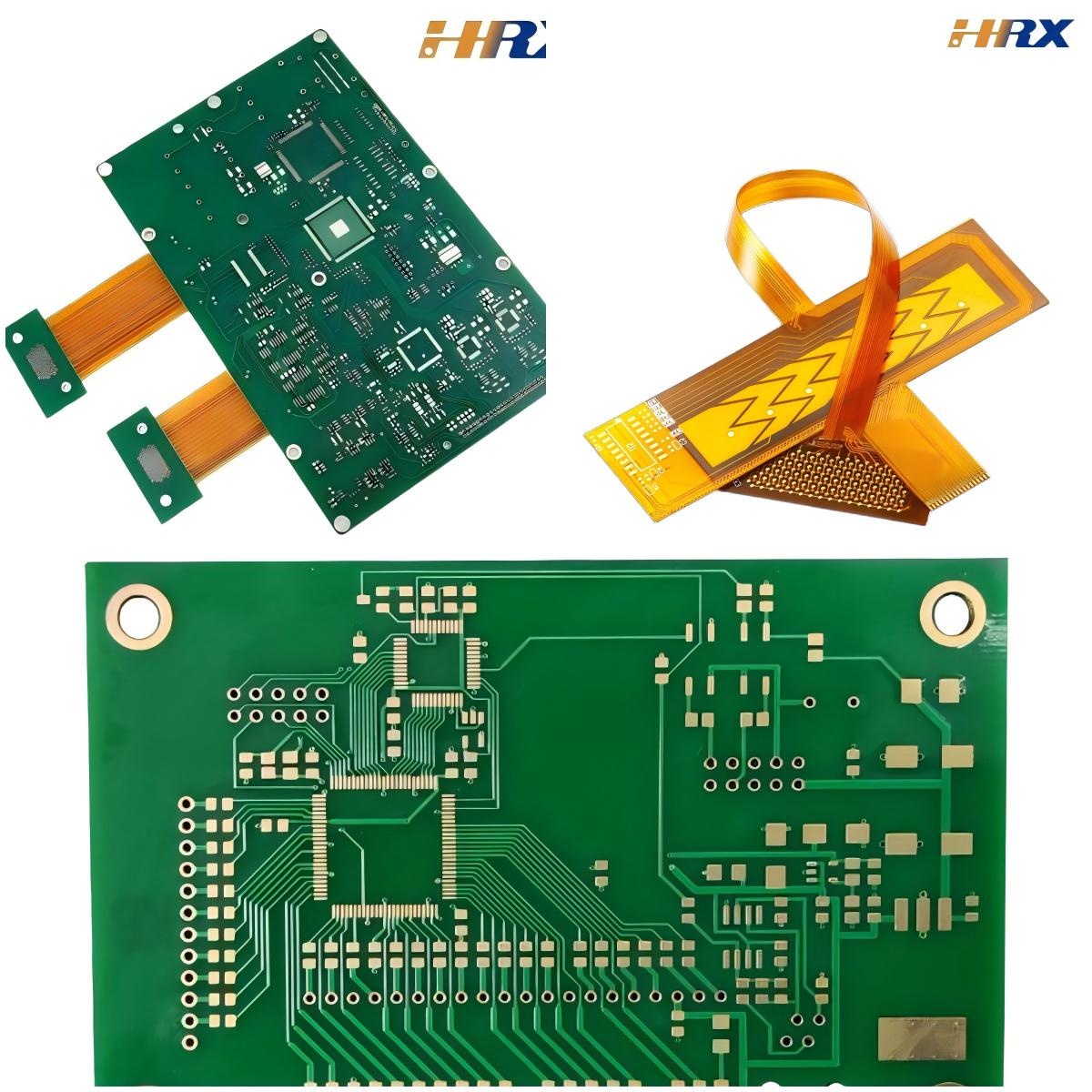
A Rigid PCB is a non-bendable circuit board built on stiff substrates like FR‑4, aluminum, or ceramic. It maintains a fixed shape and supports high-stability component mounting.
FPC (Flexible Printed Circuit)
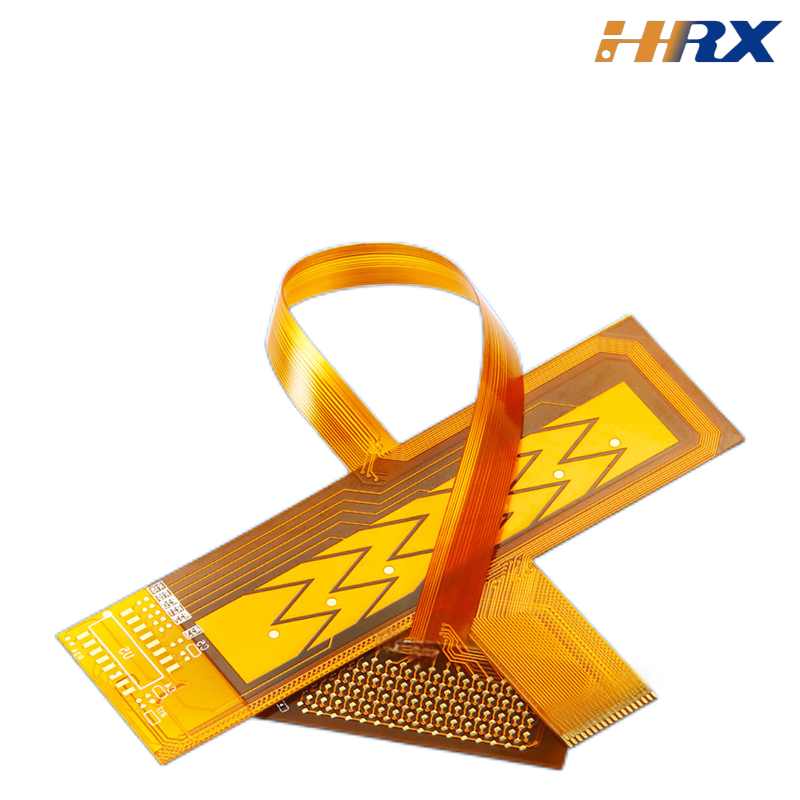
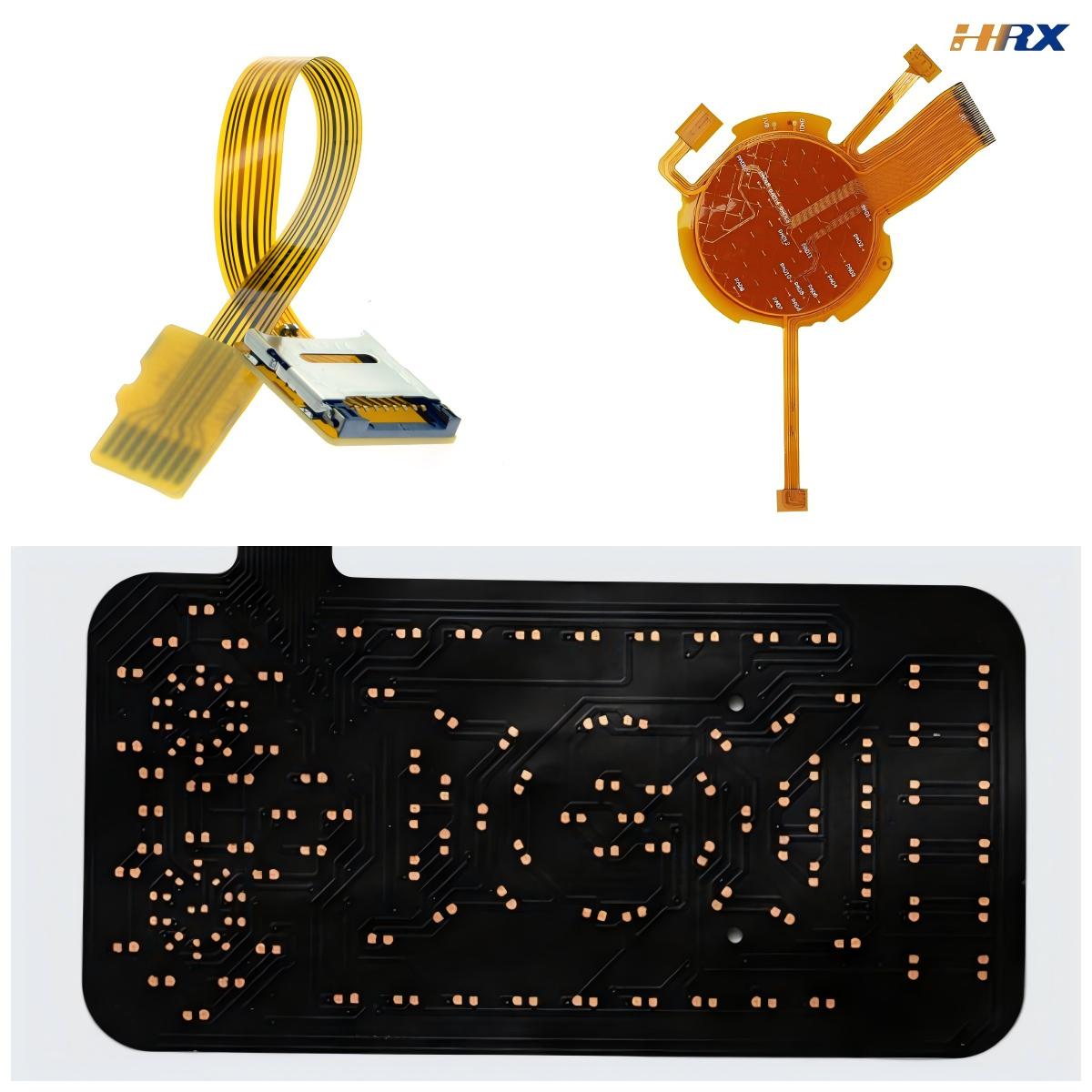
An FPC uses flexible base materials—most commonly polyimide (PI)—allowing bending, folding, and 3D installation. FPC is also widely known as flex PCB, flexible circuit board, or FPCB.
2. Key Differences Between FPC and Rigid PCB
Material & Structure
Rigid PCB: FR‑4, CEM‑1, aluminum, ceramic; rigid, fixed structure.
FPC: Polyimide (PI), PET, LCP; ultra-thin, flexible, foldable layers.
Mechanical Flexibility
Rigid PCB: No bending; fragile under force.
FPC: Supports dynamic bending, static flexing, and 3D wiring; ideal for tight spaces.
Size & Weight
Rigid PCB: Thicker, heavier, limited layout freedom.
FPC: Up to 60% lighter and 70% smaller; supports high-density interconnect (HDI) design.
Electrical Performance
Rigid PCB: Strong current carrying capacity, excellent heat dissipation.
FPC: Stable dielectric properties; better high-frequency signal integrity for 5G, RF, and wearable devices.
Reliability & Durability
Rigid PCB: High structural stability; ideal for long‑life industrial equipment.
FPC: Vibration‑resistant, fewer connectors, lower failure rates; suitable for automotive, medical, and consumer electronics.
Manufacturing & Cost
Rigid PCB: Mature process, lower unit cost, high yield.
FPC: Precision fabrication, higher material cost; reduces total assembly cost in compact designs.
Applications
Rigid PCB: Computers, servers, power supplies, industrial controls, home appliances.
FPC: Smartphones, wearables, foldable screens, automotive electronics, medical devices, drones, IoT modules.
3. Expert Insights from Shenzhen Huaruixin Electronics
Based on our 10+ years of ODM/OEM experience in FPC, rigid PCB, and rigid‑flex PCB production, we share unique professional advice:
Prioritize FPC if your design needs miniaturization, 3D wiring, or dynamic bendingFPC greatly reduces assembly complexity and improves long‑term reliability in portable and mobile devices.
Choose Rigid PCB for high-power, high-stability, or cost-sensitive projectsRigid PCBs remain the most cost‑effective solution for fixed‑structure industrial and consumer electronics.
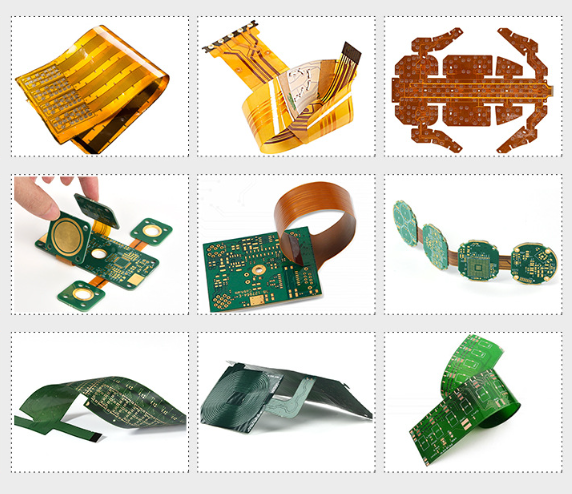
Use Rigid-Flex PCB for high-end integrated designsWe specialize in rigid‑flex PCB manufacturing that combines the strengths of FPC and rigid PCB, widely used in aerospace, medical, and automotive systems.
Work with a professional manufacturer early in designOur engineering team supports DFM (Design for Manufacturing) optimization to lower costs, improve yield, and speed up mass production.
4. How to Choose Between FPC and Rigid PCB (Quick Guide)
Choose Rigid PCB if you need: low cost, fixed structure, high power, large size.
Choose FPC if you need: flexibility, ultra‑thin / lightweight, 3D assembly, high frequency.
Choose Rigid-Flex PCB if you need: both rigid stability and flexible routing.
About Shenzhen Huaruixin Electronics Co., Ltd
We are a trusted global manufacturer providing one‑stop ODM/OEM services for:
Flexible Printed Circuits (FPC / FPCB)
Rigid Printed Circuit Boards (Rigid PCB)
Rigid-Flex Printed Circuit Boards (Rigid-Flex PCB)
We support prototype, small-batch, and mass production with strict quality control, fast lead times, and professional technical support.
Contact Us for Your PCB/FPC Project
If you have a new project requiring FPC, rigid PCB, or rigid‑flex PCB, we are ready to provide professional manufacturing and design support.

Let’s talk! We’ll provide the perfect solution for you!
-
 Huaruixin Electronics mainly produces printed circuit boards as the core business, to provide customers with one-stop solutions for FPC/PCB production, components sourcing and Assembly.
 - WHAT WE DO — PCB Design Solutions — Flex PCB Production — Components Sourcing — FPC&PCB Assembly
- PRODUCTS — Single Sided Flexible Circuits — Double Sided Flexible Circuits — Multilayer Flexible Cirucits — Rigid-Flex Circuits — FPC Assembly — PCB Assembly
- CAPABILITY — FPC Capability — Rigid-Flex Capability — PCB Capability — Assembly Capability
- Copyright © 2024 Shenzhen Huaruixin Electronics Co., Ltd. All Rights Reserved.
- Design By BONTOP