
Search
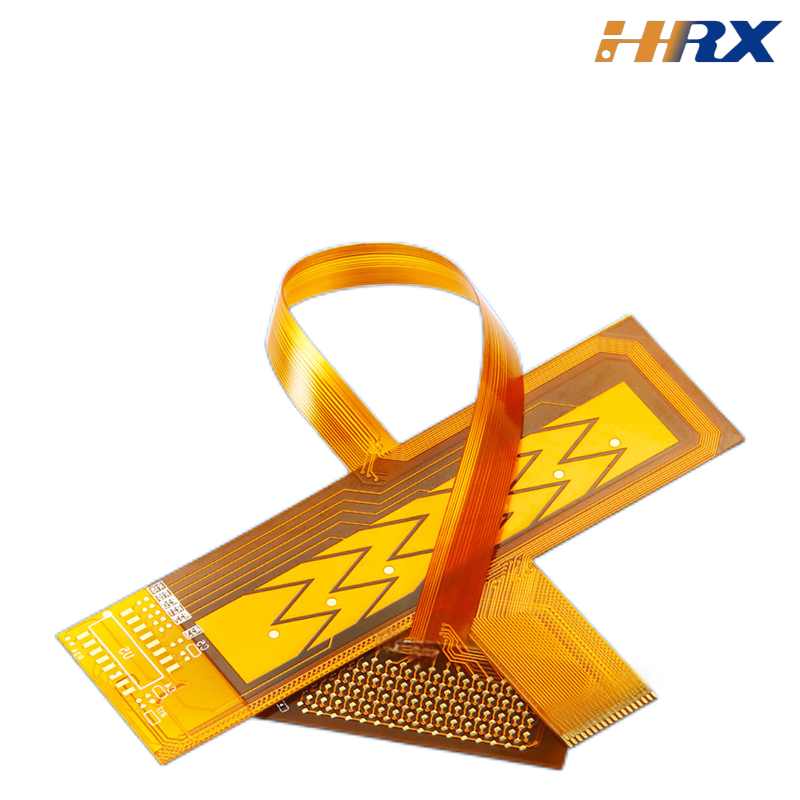
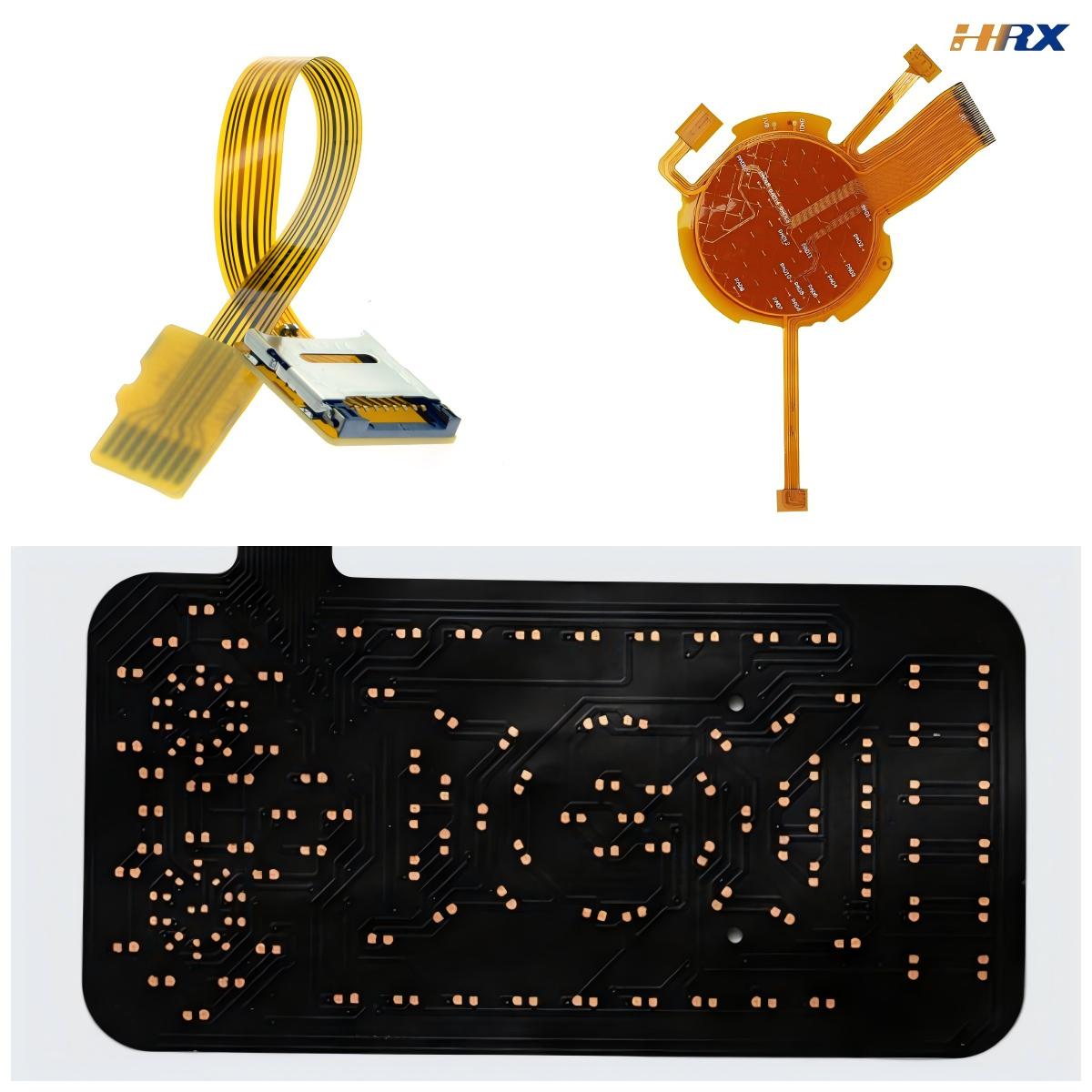
FPC Design for Manufacturing (DFM) Guidelines – Expert Insights from Shenzhen Huaruixin Electronics
- Mar 05,2026
-
Share
Professional FPC DFM guidelines from a leading global ODM/OEM manufacturer. Optimize your flexible PCB, rigid-flex board, and PCB design for higher yield, lower cost, and reliable mass production.
Introduction
In the fast-growing flexible electronics industry, FPC (Flexible Printed Circuit) design directly determines production yield, cost efficiency, assembly stability, and product lifetime. Many excellent designs fail to achieve mass production simply because they lack practical Design for Manufacturing (DFM) rules tailored to real fabrication and assembly processes.
At Shenzhen Huaruixin Electronics Co., Ltd., a professional global ODM/OEM manufacturer focusing on FPC, PCB, and rigid-flex boards, we have accumulated over years of large‑scale production experience. In this article, we share our practical, field‑proven FPC DFM guidelines to help engineers and designers avoid common pitfalls, improve design maturity, and accelerate time‑to‑market.
Why FPC DFM Is Critical for Mass Production
Reduces prototype iterations and shortens lead times
Lowers material waste and overall manufacturing cost
Improves SMT assembly yield and long‑term reliability
Ensures compliance with IPC standards and mass‑production capabilities
Without proper DFM, even high‑performance FPC designs can suffer from trace cracking, via failure, delamination, solder bridging, or bending fatigue in real‑world applications.
Core FPC DFM Guidelines (Professional & OEM‑Oriented)
1. Material Selection & Layer Stack‑up DFM
Choose polyimide (PI) substrates with verified thermal stability and flexibility.
Match thickness (1–5 mil standard) to bending radius and dynamic flex requirements.
Keep layer count minimal to reduce cost and warpage risk.
Use standard stack‑up structures approved for mass production.
2. Minimum Bend Radius Design (Most Important for Flex Life)
Single‑layer FPC: ≥10× board thickness
Double‑layer FPC: ≥15× board thickness
Avoid placing vias, pads, and components in dynamic bending zones
Use plane hatching (honeycomb structure) to reduce stress in flex areas
3. Trace Routing & Copper Layout Rules
Maintain minimum trace width/spacing: 6/6 mil (standard); 3/3 mil for HDI
Use 45° or curved traces; avoid sharp 90° angles and acid traps
Add teardrop/fillet at trace‑pad junctions to strengthen connection
Widen traces in high‑current and bending areas to prevent cracking
Ensure uniform copper distribution to avoid warping
4. Via Design & Placement DFM
Keep vias away from board edges and bending regions
Use laser microvias for HDI FPC to improve reliability
Ensure sufficient annular ring for drilling and plating stability
Avoid via‑in‑pad unless using filled & capped vias
5. Pad, Coverlay & Stiffener Design
Follow IPC‑7351 standards for SMT pad size and layout
Extend coverlay properly to protect circuits and improve insulation
Add stiffeners (FR4, PI, steel) at connector and mounting areas
Optimize coverlay openings to prevent misalignment
6. Component Placement & SMT Assembly DFM
Keep components out of bending and high‑stress zones
Maintain sufficient clearance between parts to avoid solder bridging
Use clear fiducial marks for automatic optical inspection (AOI)
Orient polarized components consistently for assembly efficiency
Avoid heavy components on unsupported flexible areas
7. Panelization & Depaneling DFM
Use standard panel sizes to maximize material utilization
Add tooling holes and positioning marks for automated production
Use V‑cut or tab routing for safe depaneling
Keep critical circuits away from cutting edges
8. Silkscreen, Surface Finish & Testing DFM
Use legible silkscreen without overlapping pads or traces
Choose suitable surface finishes: ENIG, immersion silver, OSP, HASL
Reserve test points for continuity and electrical performance testing
Conduct DFM review before releasing Gerber files
Unique OEM/ODM Insights from Shenzhen Huaruixin Electronics
As a full‑service FPC & PCB ODM/OEM manufacturer, we offer exclusive value beyond standard guidelines:
Early‑stage DFM review: We provide free design checking before tooling to eliminate risks.
Customized process support: Flexible adjustment for prototypes to mass production.
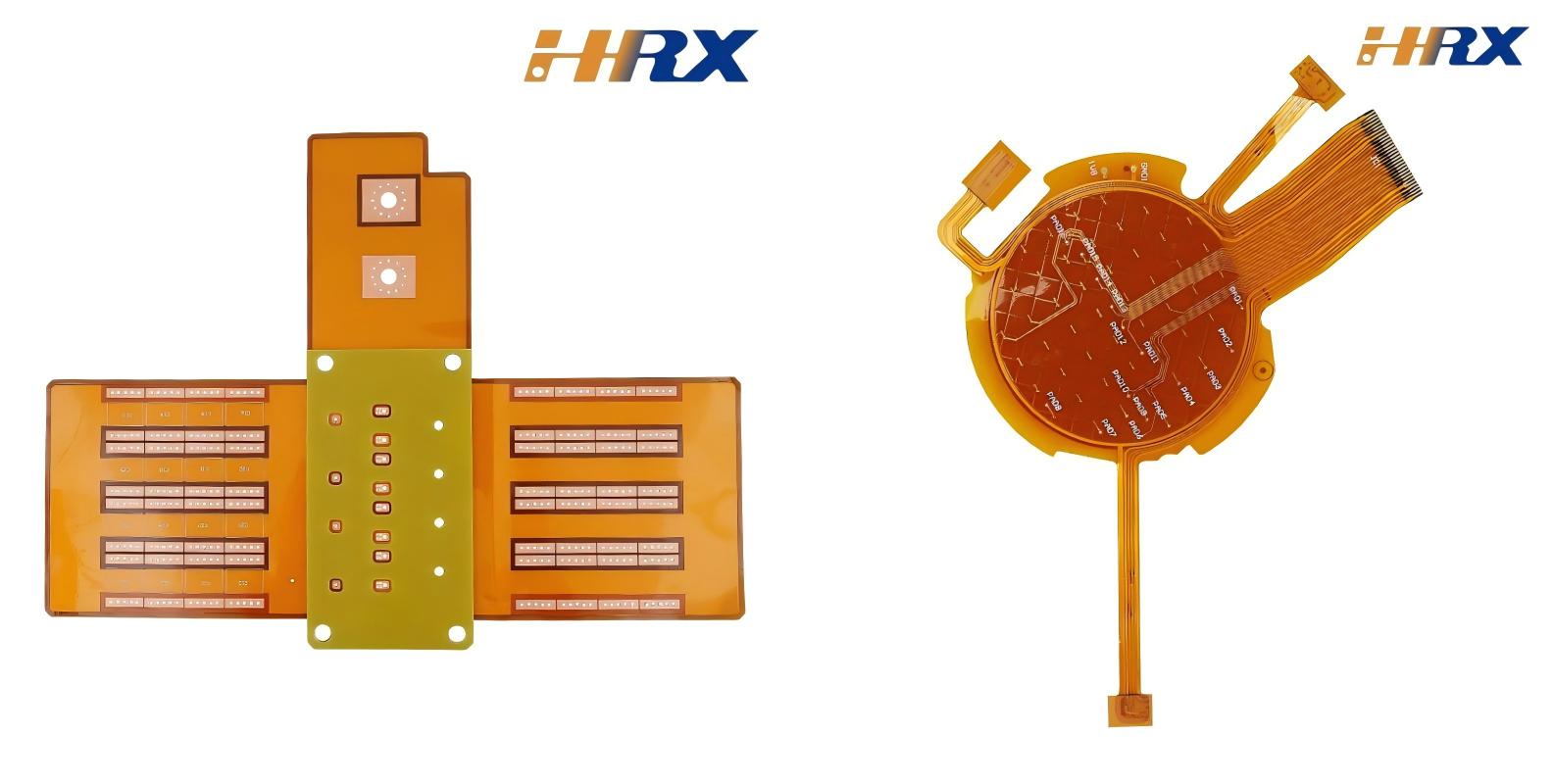
Rigid‑flex PCB expertise: Specialized DFM for rigid‑flex transition zones and reliability.
High‑mix, low‑volume to mass production: Balanced capability for diversified customer needs.
Full material traceability & quality system: Compliant with IPC, RoHS, and international quality standards.
We believe the best FPC design is not only technically advanced but also 100% manufacturable, repeatable, and cost‑effective.
Conclusion
FPC DFM is not just a set of rules – it is the bridge between design and real mass production. Following these guidelines will significantly improve your product reliability, reduce costs, and speed up launch schedules.
At Shenzhen Huaruixin Electronics Co., Ltd., we are committed to providing professional FPC, PCB, and rigid‑flex board ODM/OEM manufacturing services with world‑class DFM support.
If you have a project requirement and are looking for a professional, reliable manufacturer, please feel free to contact us anytime.For more industry knowledge and solutions, visit our official website:www.hrxfpc.comOr email us directly for inquiries and cooperation:sales@hrxfpc.comWe welcome technical communication, learning, and mutual growth with global partners.

Let’s talk! We’ll provide the perfect solution for you!
-
 Huaruixin Electronics mainly produces printed circuit boards as the core business, to provide customers with one-stop solutions for FPC/PCB production, components sourcing and Assembly.
 - WHAT WE DO — PCB Design Solutions — Flex PCB Production — Components Sourcing — FPC&PCB Assembly
- PRODUCTS — Single Sided Flexible Circuits — Double Sided Flexible Circuits — Multilayer Flexible Cirucits — Rigid-Flex Circuits — FPC Assembly — PCB Assembly
- CAPABILITY — FPC Capability — Rigid-Flex Capability — PCB Capability — Assembly Capability
- Copyright © 2024 Shenzhen Huaruixin Electronics Co., Ltd. All Rights Reserved.
- Design By BONTOP