
Search
What is FPC & How Does Flexible PCB Work? Expert Insights from HRX Electronics
- Apr 26,2026
-
Share
In the era of electronic miniaturization, smart manufacturing, and portable innovation, Flexible Printed Circuits (FPC) have emerged as the "flexible nervous system" powering modern devices—from foldable smartphones and TWS earbuds to automotive ADAS systems and medical wearables. As a global ODM/OEM manufacturer specializing in FPC, PCB, and rigid-flex PCB production, Shenzhen Huaruixin Electronics Co., Ltd. (HRX Electronics) combines years of on-site manufacturing experience and industry insights to decode: What is FPC, how does it work, and how to leverage its full potential for your projects?
What is FPC? Definition & Core Value
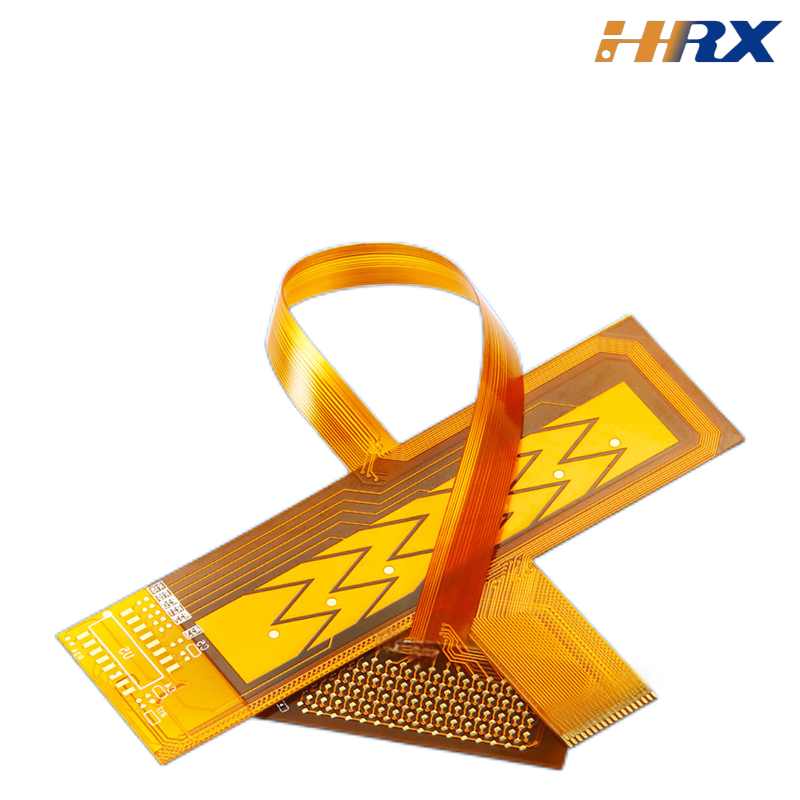
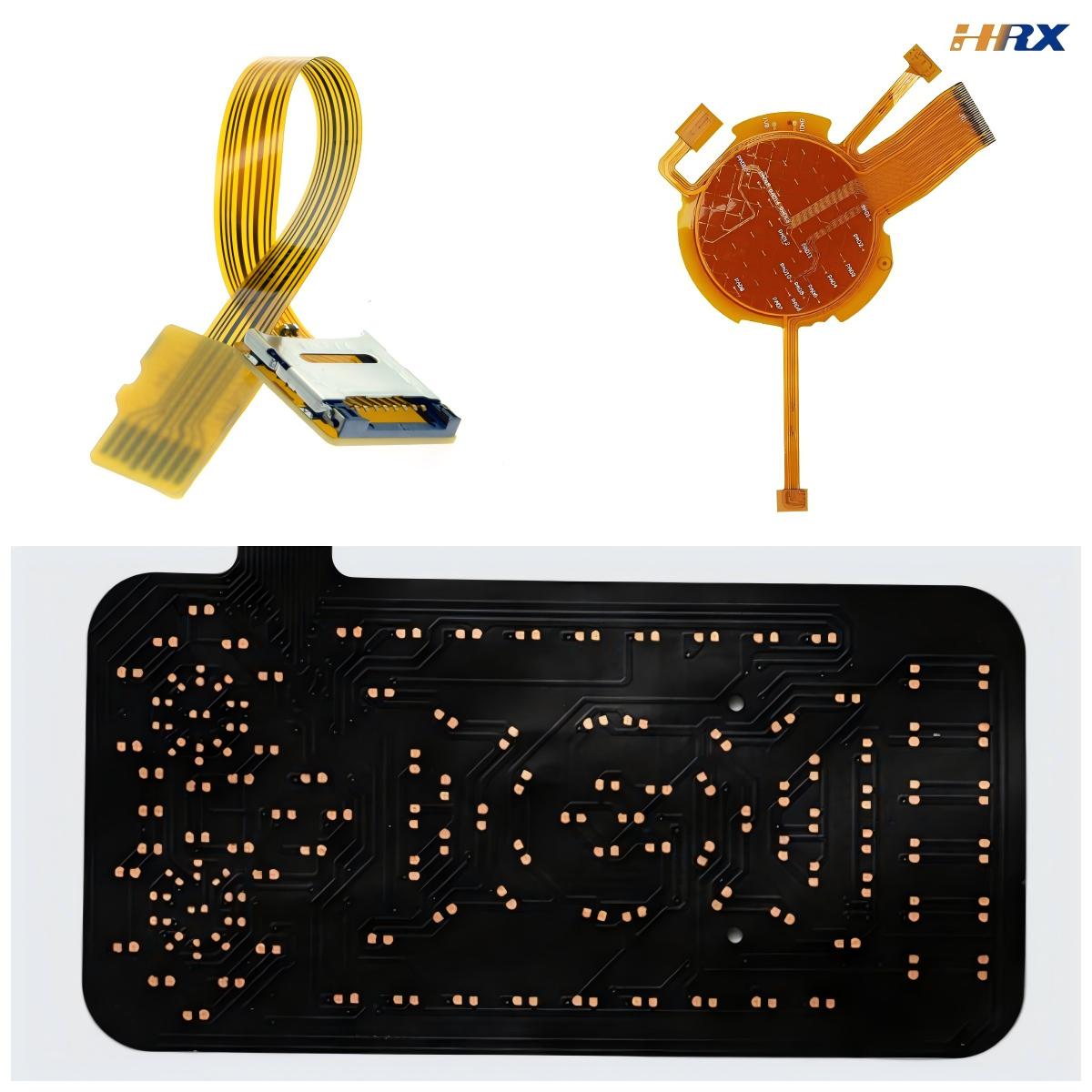
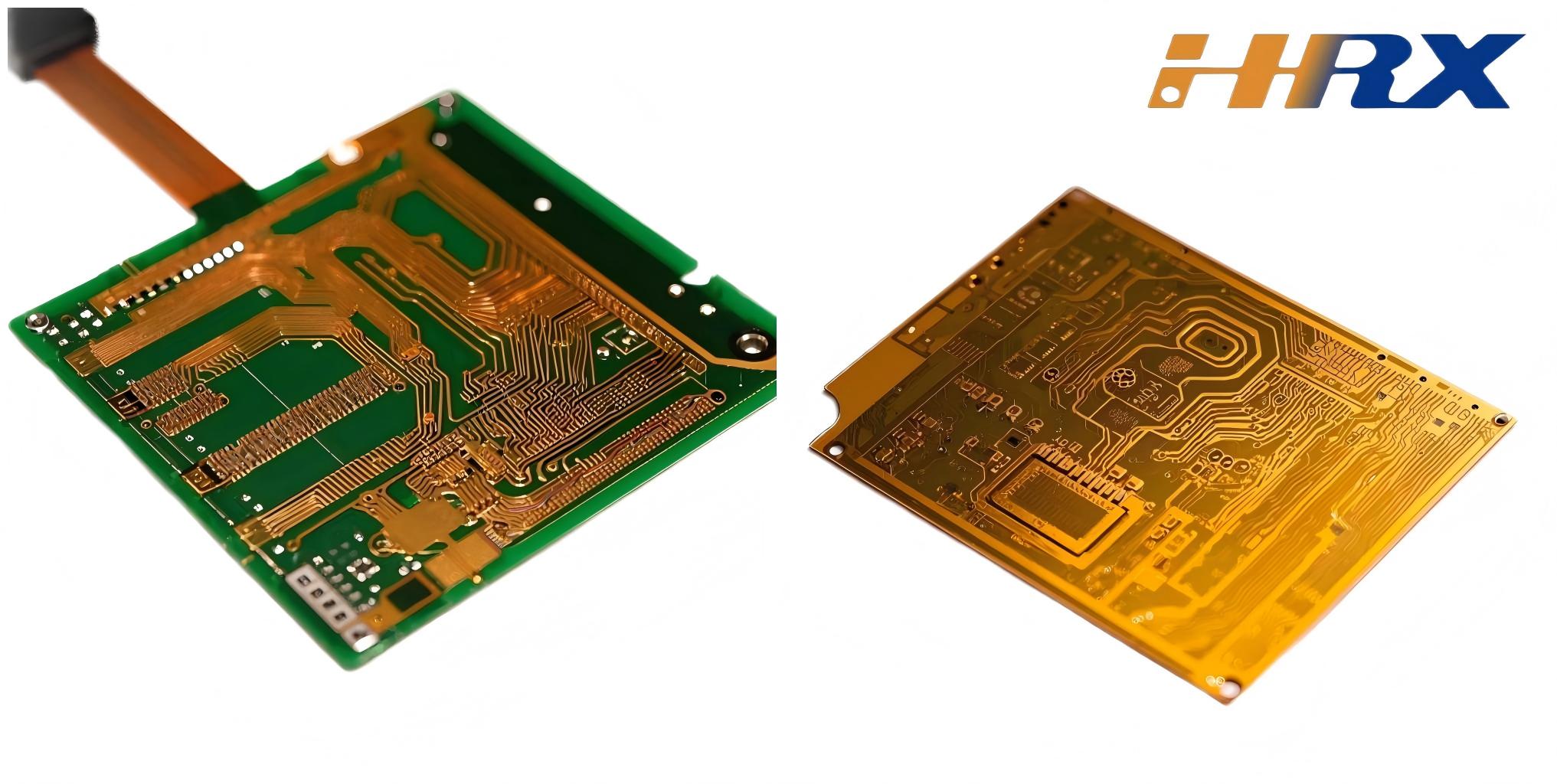
FPC, short for Flexible Printed Circuit (also known as Flexible PCB), is a thin, lightweight, and bendable circuit board composed of flexible insulating substrates (primarily Polyimide/PI or Polyester/PET), etched copper foils, cover layers, and adhesives (or adhesive-free processes for high-performance needs). Unlike rigid PCBs (FR-4 boards) with fixed shapes, FPCs leverage their flexibility to adapt to 3D layouts, reduce device size, and replace bulky wire harnesses—solving critical pain points in electronic product design today.
At HRX Electronics, our unique ODM/OEM perspective redefines FPC: it is not just a "flexible alternative" to rigid PCBs, but a customizable connectivity solution that bridges design innovation and manufacturing feasibility. After serving global clients in consumer electronics, automotive, and medical industries, we’ve realized the true value of FPC lies in balancing three core attributes: flexibility, reliability, and high-density integration—attributes that directly determine a product’s competitiveness in the market. For businesses seeking to differentiate their products, FPC is no longer an optional component but a strategic investment in miniaturization and performance.
Key Components of FPC: The Building Blocks of Flexibility
To understand how FPC works, we first break down its core components—each critical to its performance. As an ODM/OEM manufacturer, HRX Electronics prioritizes material selection and process precision, which are the foundation of high-quality FPC production:
- Flexible Substrate: The backbone of FPC, typically made of Polyimide (PI) film (thickness 5-50μm) for its excellent high-temperature resistance (-200℃~260℃), insulation (dielectric constant 3.0-3.5), and mechanical strength (elongation at break ≥50%). For cost-sensitive, low-temperature applications, PET film is an alternative, but PI remains the industry standard for high-reliability projects. At HRX, we source high-purity PI substrates to ensure consistent flexibility and resistance to chemical corrosion—critical for automotive and medical environments.
- Conductive Layer: Etched copper foils (3-70μm thick) form the circuit paths that transmit electrical signals. We offer options like rolled copper foil (RCC) for better flexibility and electrolytic copper foil for higher conductivity, tailored to our clients’ specific signal transmission needs.
- Cover Layer: A protective film (PI or photosensitive solder resist) that insulates the circuit, prevents oxidation, and enhances durability. Our adhesive-free lamination process ensures the cover layer bonds tightly with the substrate, reducing the risk of delamination during repeated bending.
- Reinforcement Layer: Optional but essential for high-stress areas (e.g., connector ports). We use FR-4 or metal sheets for local reinforcement, balancing flexibility with mechanical stability— a detail often overlooked by low-quality manufacturers but critical for long-term reliability.
How Does Flexible PCB Work? Core Principles & Manufacturing Logic
The core working principle of FPC is similar to rigid PCBs—transmitting electrical signals through etched copper circuits—but its flexibility unlocks unique capabilities that rigid PCBs cannot match. Here’s a simplified breakdown, combined with HRX’s manufacturing expertise:
1. Signal Transmission: Like rigid PCBs, FPCs use copper circuits to transfer electrical signals between electronic components. The difference lies in the flexible substrate, which allows the circuit to bend, fold, or twist without disrupting signal integrity—even after 100,000+ bending cycles (a standard we achieve at HRX for foldable device FPCs).
2. Flexible Adaptation: The combination of thin PI substrate and ultra-thin copper foil enables 3D wiring, allowing FPCs to fit into narrow, irregular spaces (e.g., foldable phone hinges, automotive sensor modules). A single FPC can replace dozens of rigid wires, reducing device weight by 70% and volume by 60%—a game-changer for portable and automotive electronics.
3. Manufacturing Precision: As an ODM/OEM manufacturer, we’ve refined the FPC manufacturing process to ensure reliability:
- Pattern Etching: We use precision photolithography and etching to create fine lines (line width/spacing down to 50μm) for high-density integration, critical for 5G and AIoT devices.
- Lamination: Our roll-to-roll (R2R) continuous production technology boosts efficiency by 5x and reduces costs by 30%, while ensuring consistent quality across large-volume orders.
- Surface Treatment: Gold, tin, or carbon paste coating enhances solderability and wear resistance—we tailor this to our clients’ end-use environments (e.g., gold plating for medical devices requiring biocompatibility).
HRX’s Unique Insights & Recommendations for FPC Projects
As a global ODM/OEM manufacturer with a 98% product qualification rate and 95% on-time delivery rate, HRX Electronics has gained unique insights into FPC design, production, and application. Here are our actionable recommendations for businesses launching FPC projects:
- Prioritize Material Selection Based on Application: Don’t compromise on substrate quality for cost savings. For automotive and industrial applications, choose high-temperature PI substrates and adhesive-free processes to avoid delamination under extreme conditions. For consumer electronics, balance cost and performance with PET-PI hybrid substrates—we help our ODM clients optimize this trade-off to meet both budget and quality goals.
- Optimize Design for Flexibility & Durability: Many designers overlook bending radius and stress distribution, leading to FPC failure. Our recommendation: Follow the 10-20x rule (minimum bending radius = 10-20x FPC thickness) and use snake-shaped wiring to disperse stress. As your ODM partner, we provide design reviews to identify potential issues before production—saving time and cost on rework.
- Choose an ODM/OEM Partner with End-to-End Capabilities: Avoid working with manufacturers that only handle production—look for a partner that offers design, prototyping, production, and assembly (one-stop solutions). At HRX, we integrate FPC design with your product’s overall architecture, ensuring the FPC aligns with your device’s form factor and performance requirements. This end-to-end approach reduces communication costs and accelerates time-to-market.
- Embrace Green & Smart Manufacturing: With global environmental regulations tightening, choose manufacturers that adopt green processes (e.g., electroless copper plating/EDL) to reduce wastewater by 90%. Our smart production lines use AI to monitor etching and lamination processes, ensuring consistent quality and reducing waste—aligning your project with sustainability goals while lowering long-term costs.
Why Choose HRX Electronics for Your FPC ODM/OEM Needs?
Shenzhen Huaruixin Electronics Co., Ltd. is a global leader in FPC, PCB, and rigid-flex PCB ODM/OEM production, with years of experience serving clients in consumer electronics, automotive, medical, and industrial sectors. Our core advantages lie in: high-precision manufacturing (fine lines down to 50μm), customizable solutions (tailored to your project’s unique needs), strict quality control (98% qualification rate), and reliable delivery (95% on-time rate).
If you have an FPC project requirement, we are your professional manufacturing partner—ready to provide one-stop ODM/OEM solutions from design and prototyping to mass production. For more industry knowledge, you can visit our website: www.hrxfpc.com to learn more, or email us at sales@hrxfpc.com for consultation. We look forward to exchanging ideas, learning together, and providing guidance to help your project succeed.

Let’s talk! We’ll provide the perfect solution for you!
-
 Huaruixin Electronics mainly produces printed circuit boards as the core business, to provide customers with one-stop solutions for FPC/PCB production, components sourcing and Assembly.
 - WHAT WE DO — PCB Design Solutions — Flex PCB Production — Components Sourcing — FPC&PCB Assembly
- PRODUCTS — Single Sided Flexible Circuits — Double Sided Flexible Circuits — Multilayer Flexible Cirucits — Rigid-Flex Circuits — FPC Assembly — PCB Assembly
- CAPABILITY — FPC Capability — Rigid-Flex Capability — PCB Capability — Assembly Capability
- Copyright © 2024 Shenzhen Huaruixin Electronics Co., Ltd. All Rights Reserved.
- Design By BONTOP