
Search
Common FPC Defects & How to Avoid Them: A Designer & Manufacturing Expert Guide
- Jun 22,2026
-
Share
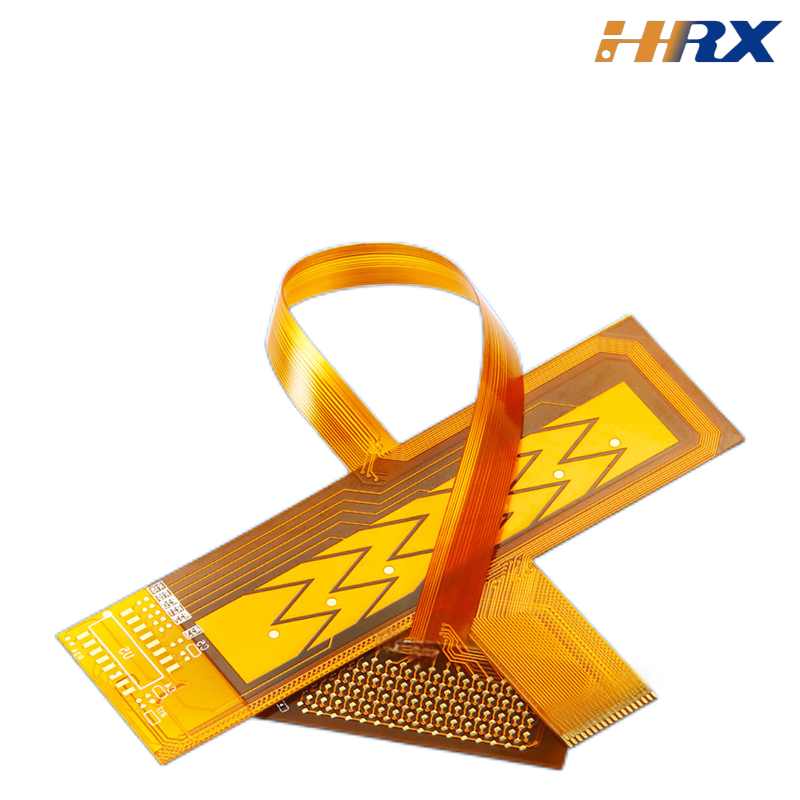
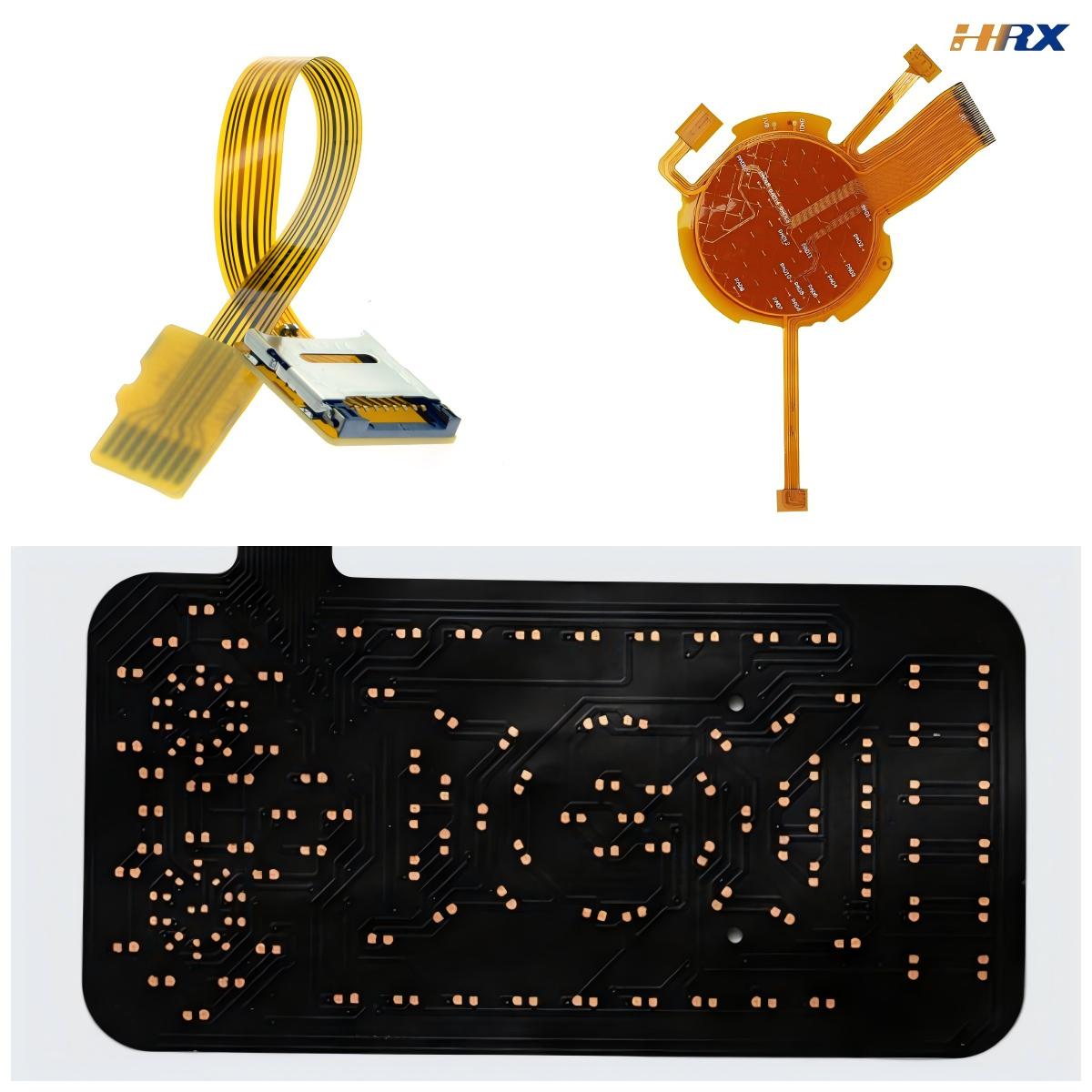
Flexible Printed Circuits (FPC), also known as flexible PCBs, have become an indispensable core component of modern miniaturized, lightweight, and high-flexibility electronic devices, widely applied in consumer electronics, automotive electronics, medical devices, and wearable tech. As high-precision flexible electronic substrates, FPCs feature ultra-thin thickness, repeated bending resistance, and three-dimensional assembly advantages that rigid PCBs cannot match. However, due to their special polyimide (PI) substrate, flexible copper foil structure, and sensitive adhesive layers, FPCs are far more prone to common FPC defects and functional failures than traditional rigid boards throughout design, fabrication, and assembly processes, making professional FPC defect prevention critical for mass production quality.
Most FPC failure issues stem from unreasonable design specifications, non-standard production processes, and incomplete quality inspection mechanisms, rather than raw material problems alone. For electronic designers and procurement engineers, mastering practical FPC defect prevention strategies from the design stage is the most cost-effective way to boost FPC manufacturing yield rate, reduce rework costs, and enhance flexible circuit board product reliability. As a professional global FPC, PCB, and rigid-flex PCB ODM/OEM manufacturer, Shenzhen Huaruixin Electronics Co., Ltd. summarizes years of mass production and customized project experience to systematically analyze mainstream common FPC defects, root causes, and targeted avoidance solutions from design, production, and QC testing perspectives, providing actionable FPC design optimization and quality control guidelines for global clients and electronic engineers.
1. Typical FPC Defects & Root Cause Analysis (Design-Stage Perspective)
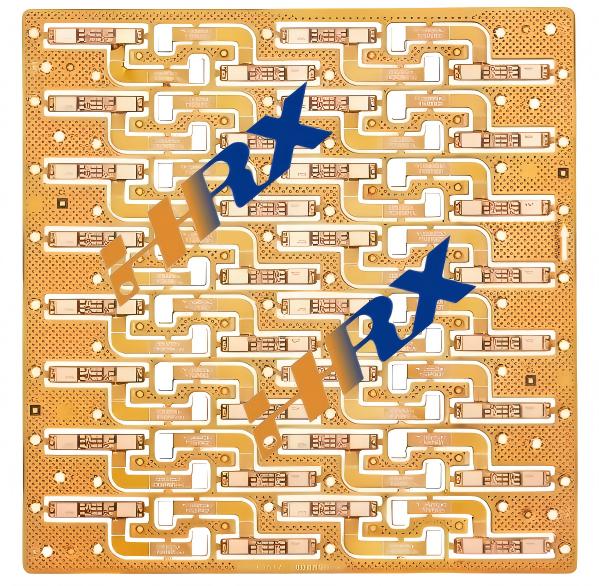
Over 60% of recurring FPC mass production defects are pre-determined by flawed design schemes. Many designers apply rigid PCB design rules to flexible circuits, ignoring FPC’s unique mechanical flexibility, material tolerance, and bending stress characteristics, resulting in inherent structural risks and various avoidable flexible PCB defects. Below are the most frequent design-induced FPC common defects and professional FPC design optimization solutions:
1.1 FPC Trace Cracking & Circuit Open/Short Circuit
Defect Manifestation: Micro-cracks or complete fracture of copper traces in bending zones, intermittent open circuits, or adjacent trace short circuits after repeated torsion and bending tests, which is the top failure cause of wearable devices and folding screen electronic products.
Design Root Causes: Unreasonable bending radius design (less than 3 times the substrate thickness), trace layout perpendicular to the bending direction, excessive trace width/spacing changes, and via holes arranged in flexible bending areas. In addition, using low-toughness electrolytic copper foil instead of rolled copper foil in flexible zones will sharply reduce bending resistance.
Professional Avoidance Strategy (Huaruixin Exclusive Advice): As a high-yield FPC manufacturer, we strictly advocate flexible zone modular design for all customized ODM/OEM projects. Designers must uniformly arrange traces parallel to the bending direction, maintain a minimum bending radius of 0.8mm for ultra-thin FPCs, and prohibit via placement in dynamic bending areas. For multi-layer flexible circuits, adopt staggered via layout and avoid dense trace routing in stress concentration zones. We recommend specifying rolled copper foil for bending functional areas to ensure 100,000+ times bending cycle reliability.
1.2 Coverlayer Peeling & Adhesive Overflow
Defect Manifestation: Cover film (coverlayer) delamination, blistering, or edge adhesive overflow during SMT reflow or long-term use, leading to trace oxidation, solder joint contamination, and reduced insulation performance.
Design Root Causes: Unreasonable coverlayer window size, insufficient edge spacing of bonding windows, mismatched adhesive material grades, and lack of stress relief design for IC pad areas.
Professional Avoidance Strategy: Standardize coverlayer window opening specifications in the design phase, reserve a 0.3mm–0.5mm safe spacing for pad windows, and adopt gang relieve window design for intensive IC pads to avoid adhesive overflow. Designers must select high-temperature-resistant coverlayer adhesives matching the SMT reflow temperature range to prevent thermal delamination under 260°C high-temperature soldering.
1.3 Pad Lifting & Solder Joint Cold Solder
Defect Manifestation: SMD pads peel off from the PI substrate, or solder joints show cold solder, virtual soldering, and poor tin adhesion, resulting in unstable electrical conduction.
Design Root Causes: Excessively small pad size, asymmetric pad layout, no stiffener reinforcement for connector pads, and unreasonable solder mask opening design.
Professional Avoidance Strategy: Optimize pad dimensional tolerance in design, increase pad anchoring area appropriately, and add FR4 or stainless steel stiffeners for plug-in and high-stress connector positions to disperse assembly stress. Standardize solder mask opening range to avoid partial pad exposure and ensure uniform tinning during soldering.
2. Production & Fabrication Stage Defects & Process Optimization Solutions
Even with perfect design files, non-standard manufacturing processes, raw material quality fluctuations, and improper process parameter control will trigger batch FPC common defects. Reliable FPC manufacturing quality control is the core to reduce post-design failures and stabilize mass production yield. Based on our ODM/OEM one-stop FPC production system, Huaruixin Electronics summarizes core process pain points and standardized improvement schemes to eliminate typical flexible PCB manufacturing defects for mass production:
2.1 Plating Unevenness & Etching Defects
In the FPC manufacturing process, over-etching, under-etching, and uneven gold/tin plating are common batch defects, caused by expired process solution, inconsistent solution concentration, and unreasonable transmission speed. These defects lead to uneven trace impedance, poor solderability, and reduced corrosion resistance.
Optimization Measures: Establish a strict process fluid replacement and concentration monitoring system, and implement real-time parameter calibration for etching and plating production lines. Adopt segmented speed regulation for ultra-thin FPC substrates to avoid inconsistent etching depth. Our factory implements full-process material traceability, and all raw PI substrates and copper foils undergo incoming Tg value and peel strength testing to eliminate substrate quality risks from the source.
2.2 Substrate Warpage & Layer Delamination
FPC warpage and interlayer delamination usually occur after lamination and high-temperature reflow, mainly due to mismatched lamination temperature/pressure parameters, insufficient baking dehumidification, and residual internal stress of multi-layer boards. This defect seriously affects SMT assembly accuracy and finished product flatness.
Optimization Measures: Adopt staged lamination pressure and temperature rise curves for rigid-flex boards and multi-layer FPCs to release internal stress gradually. Complete constant-temperature dehumidification baking before production to eliminate substrate moisture. For customized rigid-flex PCB products, we optimize the lamination sequence of flexible and rigid layers to ensure consistent thermal expansion coefficient and avoid layer separation.
2.3 Static Damage & Micro-scratch Defects
FPC flexible substrates and thin copper layers are extremely sensitive to static electricity and mechanical friction. Unstandardized manual handling and non-anti-static production environments easily cause micro-scratches on traces and static breakdown of tiny circuits, which are latent defects difficult to detect in the early stage.
Optimization Measures: Implement full-area anti-static management in the production workshop, and require all operators to use anti-static gloves and tweezers to handle FPCs by the edges only. Adopt vacuum packaging and dust-free storage for semi-finished and finished products to avoid friction damage and dust contamination.
3. QC & Testing Stage Quality Control Standards (Defect Final Barrier)
Strict quality inspection and standardized reliability testing are the final barrier to filter out FPC latent defects and ensure zero-defect delivery. Many manufacturers only conduct superficial appearance inspection, ignoring micro-defect detection and mechanical/electrical reliability testing, leading to defective flexible PCB products flowing into the assembly link. As a certified high-standard FPC manufacturer, Huaruixin Electronics follows IPC-TM-650 international testing standards and adopts multi-dimensional QC inspection mechanisms to block all types of common FPC defects, achieving zero delivery of defective products.
3.1 Precision Appearance Inspection
Equip with 3D AOI automatic optical inspection equipment to achieve full-scan detection of tiny defects such as micro-cracks, short circuits, open circuits, coverlayer blisters, and pad abnormalities that are invisible to the naked eye. Realize batch high-precision screening to avoid manual inspection omissions.
3.2 Professional Reliability Testing
Conduct standardized bending resistance test, torsion test, peel strength test, high and low temperature cycle test, and humidity resistance test for finished FPCs. Simulate actual product application scenarios to verify the stability of flexible zones and solder joints, and eliminate latent failure risks in long-term use.
3.3 Full Electrical Performance Testing
Implement 100% on-off testing and impedance testing for finished products to ensure consistent electrical performance of each batch of FPCs, meeting the high-precision circuit requirements of automotive electronics, industrial control, and medical equipment.
4. Huaruixin Electronics’ Unique Industry Insights & Core Advantages
Different from ordinary FPC manufacturers that only focus on production processing, Shenzhen Huaruixin Electronics Co., Ltd. focuses on design-production-testing integrated ODM/OEM services for FPC and rigid-flex PCB products. We deeply understand that FPC quality control and defect mitigation is a full-link system project, and the core of reducing common FPC defects lies in "design pre-prevention + process standardized control + full QC traceability". We have summarized three unique industry experiences serving global customers and solving flexible PCB failure problems efficiently:
First, design-forward customization service. We provide free DFM (Design for Manufacturability) review for all customer design files, proactively optimizing unreasonable bending layout, via placement, and material matching schemes in advance, reducing design-induced defects by over 90% and saving customers repeated revision and mold-opening costs.
Second, differentiated process customization. For high-flexibility, high-temperature resistant, and ultra-thin FPC scenarios such as wearable devices and automotive wiring harnesses, we adopt targeted material selection and process parameters, avoiding universal production processes leading to poor product adaptability.
Third, full life cycle quality traceability. We establish independent production files for each customized project, recording raw material batches, process parameters, and testing data, realizing full-link traceability and providing reliable quality guarantee for customer mass production.
5. Custom FPC & Rigid-Flex PCB Service Support
As a professional global ODM/OEM manufacturer specializing in high-reliability FPC, PCB, and rigid-flex circuit boards, Shenzhen Huaruixin Electronics Co., Ltd. has rich experience in customized production of high-precision flexible circuit boards and professional FPC defect control solutions. Our products cover consumer electronics, automotive electronics, medical devices, industrial control, and aerospace supporting fields, with strict control over all common FPC defects throughout the whole production process.
Whether you have prototype proofing, small-batch trial production, or large-scale mass production project demands, we can provide one-stop customized solutions from FPC design optimization, DFM verification, precision production to strict quality testing, effectively avoiding all types of flexible PCB defects and improving your product yield. We welcome global customers and electronic industry professionals to communicate and cooperate with us.
For more professional FPC industry knowledge, common FPC defect prevention skills, and high-quality flexible PCB production cases, please visit our official website: www.hrxfpc.com. If you have project technical consultation, FPC customization demands, or industry communication needs, feel free to contact us via email:sales@hrxfpc.com. We are willing to learn, communicate, and grow together with global industry partners with professional FPC defect control technology and sincere service.

Let’s talk! We’ll provide the perfect solution for you!
-
 Huaruixin Electronics mainly produces printed circuit boards as the core business, to provide customers with one-stop solutions for FPC/PCB production, components sourcing and Assembly.
 - WHAT WE DO — PCB Design Solutions — Flex PCB Production — Components Sourcing — FPC&PCB Assembly
- PRODUCTS — Single Sided Flexible Circuits — Double Sided Flexible Circuits — Multilayer Flexible Cirucits — Rigid-Flex Circuits — FPC Assembly — PCB Assembly
- CAPABILITY — FPC Capability — Rigid-Flex Capability — PCB Capability — Assembly Capability
- Copyright © 2024 Shenzhen Huaruixin Electronics Co., Ltd. All Rights Reserved.
- Design By BONTOP